
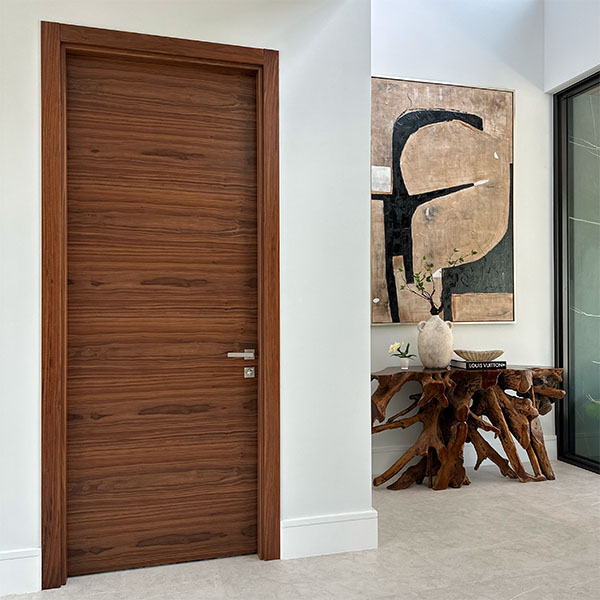
Space disappears faster than expected inside busy homes. Small layout choices shape comfort every single day. Smart door placement changes movement, storage access, and furniture freedom together. Selecting doors interior options with purpose creates rooms feeling open without expanding existing floor space.
Why Room Flow Starts Here
Door placement influences daily movement before furniture enters any room. Entry direction changes walking paths and visual balance across connected areas. A narrow bedroom gains breathing space through thoughtful planning. Even compact apartments benefit because every opening affects circulation, storage opportunities, and natural light reaching deeper corners.
Matching Configurations With Room Functions
Different spaces require different solutions instead of identical installations everywhere.
- Pocket doors release valuable wall clearance.
- Sliding panels suit tighter bathroom layouts.
- Double doors welcome wider furniture movement.
- Glass options brighten enclosed offices naturally.
- Bi-fold designs simplify closet accessibility.
Each choice answers a specific functional need rather than following decoration alone.
Which Door Style Saves Space?
Several configurations deliver space without sacrificing everyday convenience. Swing models remain familiar, yet pocket systems remove clearance requirements entirely. A hallway feels wider after hidden tracks replace traditional hinges. In modern doors interior collections, sliding designs help kitchens, laundry rooms, and study spaces remain comfortable despite limited dimensions.
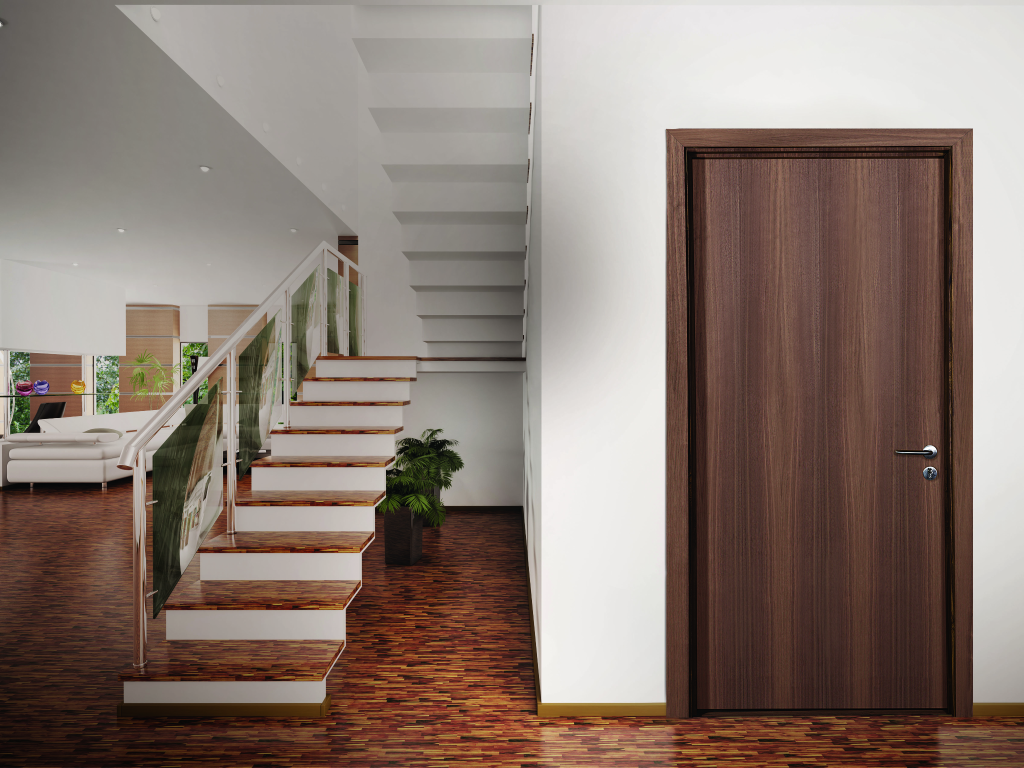
Furniture Placement Gains Fresh Freedom
Large cabinets deserve careful positioning before installation begins. A misplaced opening restricts storage more than expected. Consider these layout reminders before selecting any configuration.
- Measure clearance around wardrobes.
- Check table extension paths.
- Protect busy walking routes.
- Reserve corner storage access.
Small planning adjustments prevent frustrating rearrangements after renovation finishes.
Can Light Transform Closed Spaces?
Natural brightness changes room perception without expensive structural work. Frosted glass panels separate private zones while preserving illumination. Imagine a home office receiving hallway daylight through elegant framed doors. Dark passages lose their enclosed feeling because light continues traveling between connected living areas.
Door Layouts Define Everyday Efficiency
Strong interiors depend upon thoughtful details instead of larger square footage. Pocket doors improve bedroom flexibility, while glazed office entrances share daylight beautifully. Those specific selections influence comfort long after decorating ends. Homes feel calmer because movement becomes effortless rather than restricted by unnecessary door swings.
FAQs
What works best inside compact bedrooms?
Pocket doors create valuable wall space for wardrobes and bedside furniture.
Are sliding doors suitable for bathrooms?
Yes. Sliding designs reduce clearance needs and improve compact layouts.
Should every room use identical doors?
No. Each room benefits from configurations matching daily function and available space.
Do glass doors reduce privacy?
Frosted glass preserves privacy while allowing welcome natural light indoors.
Can door placement affect furniture layouts?
Absolutely. Swing direction influences cabinet placement, seating arrangements, and walking paths.