

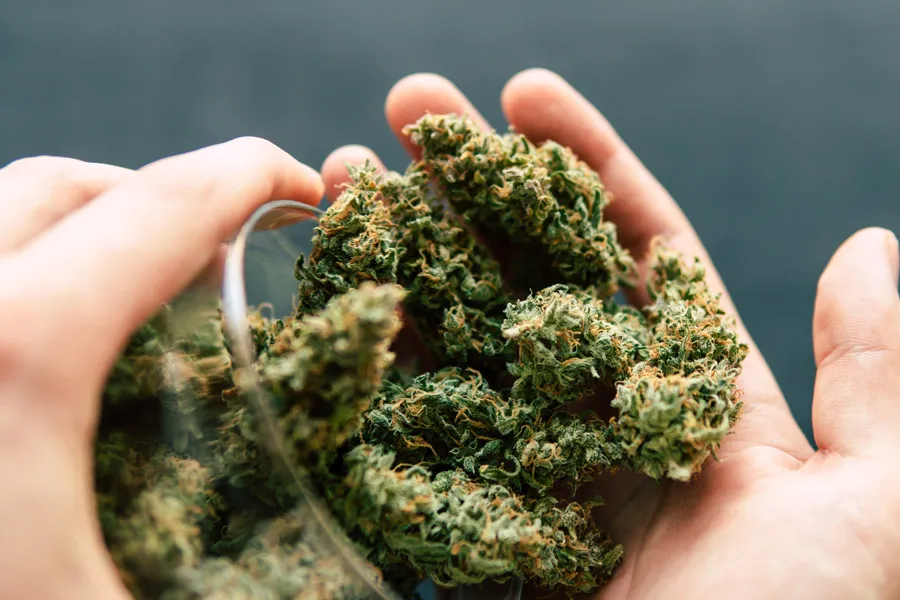
THCA testing gives buyers a clearer view of cannabinoid strength and product consistency. Laboratory analysis measures cannabinoid levels while checking for unwanted substances. For shoppers comparing the best thca brands 2026, testing records can reveal whether stated potency matches laboratory findings. Results also help distinguish careful production from unsupported labeling claims. A proper certificate of analysis provides measurable details about cannabinoid content, contaminants, and batch identity.
Laboratory Testing Measures Actual Potency
Potency testing measures the concentration of THCA and related cannabinoids. Results are reported through laboratory instruments designed for chemical analysis. A product labeled with a specific percentage should produce comparable laboratory findings. Small differences can occur because sampling and testing methods affect results.
What Does A Potency Report Show?
A useful report identifies cannabinoid concentrations through measurable laboratory findings. The result can show THCA content alongside other detected cannabinoids. For best thca brands 2026, laboratory documentation offers a useful reference when comparing labeled strength with tested values.
Key details can include:
- THCA percentage appears in measured form.
- Cannabinoid totals show broader composition.
- Batch identifiers connect results with products.
- Laboratory dates establish testing timing.
Contaminant Screening Adds Quality Context
Potency alone cannot describe overall product quality. Testing can also screen for pesticides, heavy metals, residual solvents, microbes, and other unwanted substances. Clean results provide another layer of product information. A strong cannabinoid result therefore needs supporting safety data before quality can be judged.
Can Batch Testing Reveal Consistency?
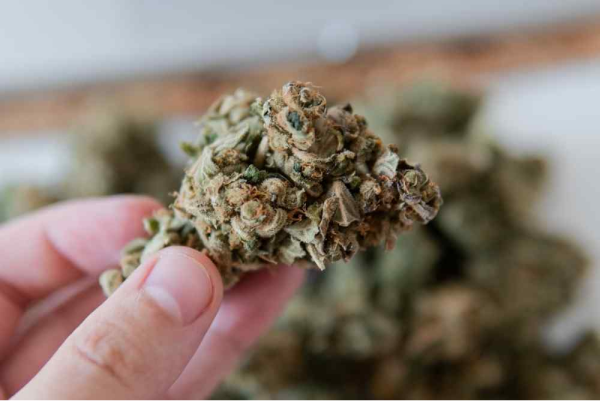
Batch testing helps identify changes between production runs. One batch might contain different cannabinoid levels from another. Repeated laboratory checks make such differences easier to detect. Consistent results suggest tighter production control. However, consistency depends on sampling quality, storage conditions, and laboratory methods.
Reading Certificates Requires Careful Attention
A certificate of analysis contains useful details beyond headline potency. Readers can check laboratory identity, batch numbers, testing dates, cannabinoid measurements, and contaminant results. Testing methods also matter because different procedures can produce different reporting formats.
Useful checks include:
- Confirm the batch number matches.
- Check the testing date carefully.
- Review cannabinoid measurements together.
- Examine contaminant screening results.
- Identify the testing laboratory.
Laboratory Numbers Shape Better Understanding
Laboratory results turn product claims into measurable information. A percentage on packaging offers limited context without supporting analysis. Once cannabinoid levels and contaminant findings become visible, quality assessment gains a stronger factual foundation. The most useful insight may therefore sit beyond potency itself: a tested batch creates traceable evidence connecting a product label with laboratory measurement.
FAQs
What does THCA testing measure?
THCA testing measures cannabinoid concentration and can reveal the tested strength of a specific product batch.
Why does batch testing matter?
Batch testing helps identify variations between production runs and provides evidence about consistency across separate batches.
Can testing detect contaminants?
Yes. Laboratory screening can identify substances such as heavy metals, pesticides, residual solvents, and microbial contamination.
What is a certificate of analysis?
A certificate of analysis records laboratory findings for a tested batch, including cannabinoid levels and relevant safety results.